



We’ve built websites for over 50 small businesses in the last two years. Restaurants, law firms, fitness studios, e-commerce brands, consultants. And the number one thing we’ve learned? Most small business owners overthink their website while underthinking what actually matters.
They’ll spend weeks picking the perfect shade of blue but never check if their site loads in under 3 seconds. They’ll write 800 words about their company history but forget to add a phone number above the fold.
This guide is everything we wish our clients knew before they came to us. It’ll save you time, money, and the headache of rebuilding a site that wasn’t done right the first time.
Your Website is a Salesperson, Not a Brochure
Think about the last time you needed a plumber, a dentist, or a new pair of running shoes. What did you do? You Googled it. You clicked on a few websites. You judged those businesses in about five seconds based on how their site looked and felt.
Your customers are doing the same thing to you right now. Over 71% of small businesses have a website, and the ones that don’t are losing customers to the ones that do. Simple as that.
But having a website isn’t the win. Having a website that works is the win. A slow, cluttered, confusing site is actually worse than no site at all because it tells visitors you don’t care about their experience.

Start With Three Questions (Not a Color Palette)
Before you pick a platform, choose fonts, or write a single word of copy, sit down and answer these three questions honestly:
Who exactly are you trying to reach? And “everyone” is the wrong answer. A local bakery in Lagos is trying to reach nearby residents who want fresh bread delivered. A SaaS startup is trying to reach operations managers at mid-size companies. The more specific you are, the sharper your website will be.
What should a visitor do when they land on your site? Call you? Fill out a form? Buy something? Book a consultation? Pick one primary action. Every page on your site should nudge people toward that one thing.
Why should they choose you over the other ten options on Google? If a visitor can’t figure out what makes you different within five seconds of hitting your homepage, they’re gone. And they’re not coming back.
WordPress is Still the Right Choice for Most Businesses
WordPress runs 43% of the entire internet. There’s a reason for that. It gives you full control over your site, it’s great for SEO, it scales as you grow, and with the newer Full Site Editing features, you can design everything visually without touching code.
That said, it’s not the only option. Here’s an honest comparison:
| Platform | Good for | Watch out for |
|---|---|---|
| WordPress | Full control, SEO, blogging, long-term growth | You’ll need hosting and a bit of setup time |
| Shopify | Selling products online | Monthly fees add up, limited design flexibility |
| Squarespace | Portfolios, photographers, simple sites | SEO is weaker, not great for complex sites |
| Wix | Getting something up fast with zero experience | Hard to migrate away later, performance issues |
If your business is going to grow (and that’s the plan, right?), WordPress gives you the most room to grow with it. We’ve seen too many businesses start on Wix or Squarespace, outgrow it in a year, and have to start over from scratch. That’s an expensive lesson.
Design for Phones First. Seriously.
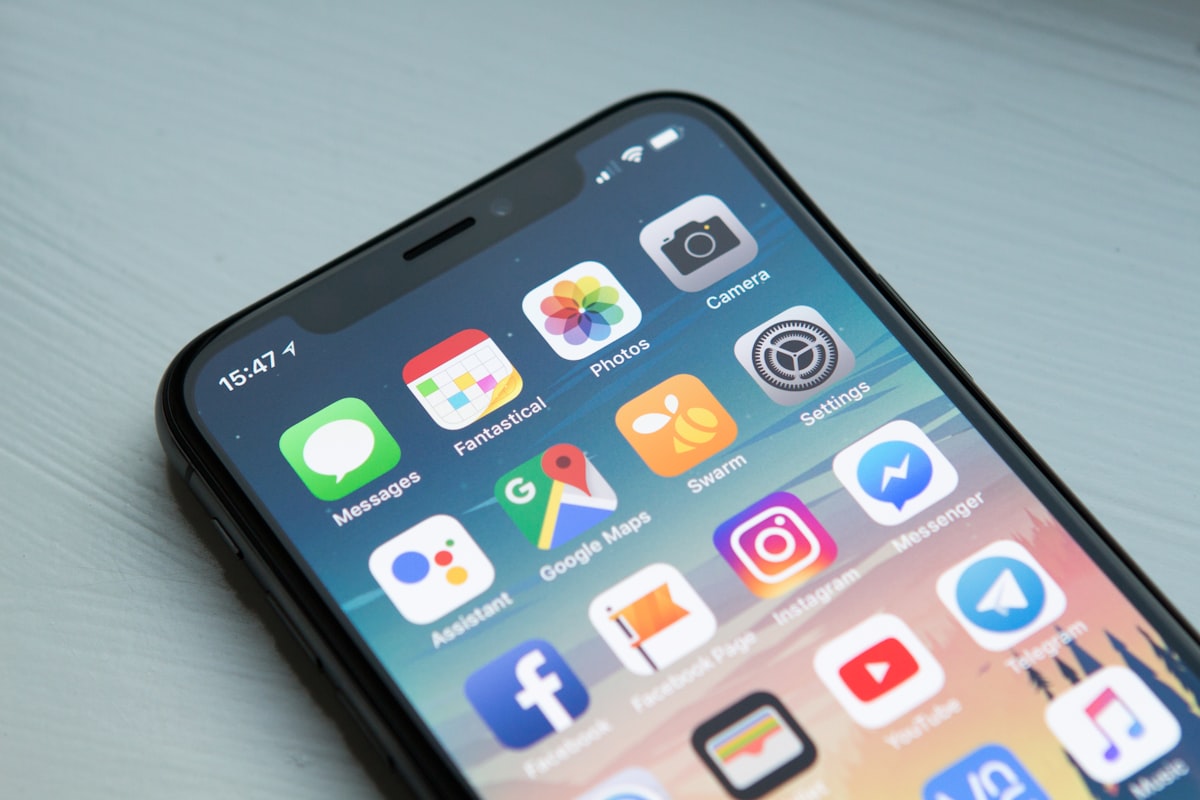
About 65% of web traffic now comes from mobile devices. Google ranks the mobile version of your site first. If your website looks great on a desktop monitor but falls apart on a phone, your search rankings will suffer and your visitors will bounce.
What does good mobile design actually look like in practice?
Buttons need to be big enough to tap with a thumb. Text needs to be readable without pinching and zooming (16px minimum for body copy). Multi-column layouts should stack into a single column on smaller screens. Images need to be compressed so they don’t choke a mobile connection. And your navigation should be simple and accessible from any scroll position.
Test your site on an actual phone. Not a browser simulator. Grab your phone, load the site, and try to complete your main call-to-action with one hand. If it’s frustrating, it needs work.
You Need Five Pages. Not Fifty.
We’ve seen small business websites with 30+ pages where half of them have two sentences of content. Don’t do that. You need five pages, and you need them to be excellent.
Your homepage gets about 3 seconds to make an impression. Put your value proposition front and center, add some social proof (client logos, a short testimonial, a stat), and make your primary call-to-action impossible to miss.
Your about page is one of the most visited pages on any business site. People want to know who they’re working with. Skip the corporate speak. Talk about why you started, what drives you, and who you help. Put real photos of your team. It builds trust faster than anything else.
Your services or products page should give each offering its own space. Don’t cram five services into one page with a bullet point each. Dedicated pages mean better SEO and more room to explain the value, include specific testimonials, and guide visitors to the next step.
Your contact page needs to make reaching you dead simple. A short form (name, email, message is enough), your phone number, your email, business hours, and a map if you have a physical location. Every extra form field you add reduces submissions.
And your blog. This is your SEO engine. Businesses that publish regularly get 55% more traffic than those that don’t. Write about the questions your customers are already asking, and Google will send those customers to you.
Speed Isn’t a Nice-to-Have. It’s a Ranking Factor.
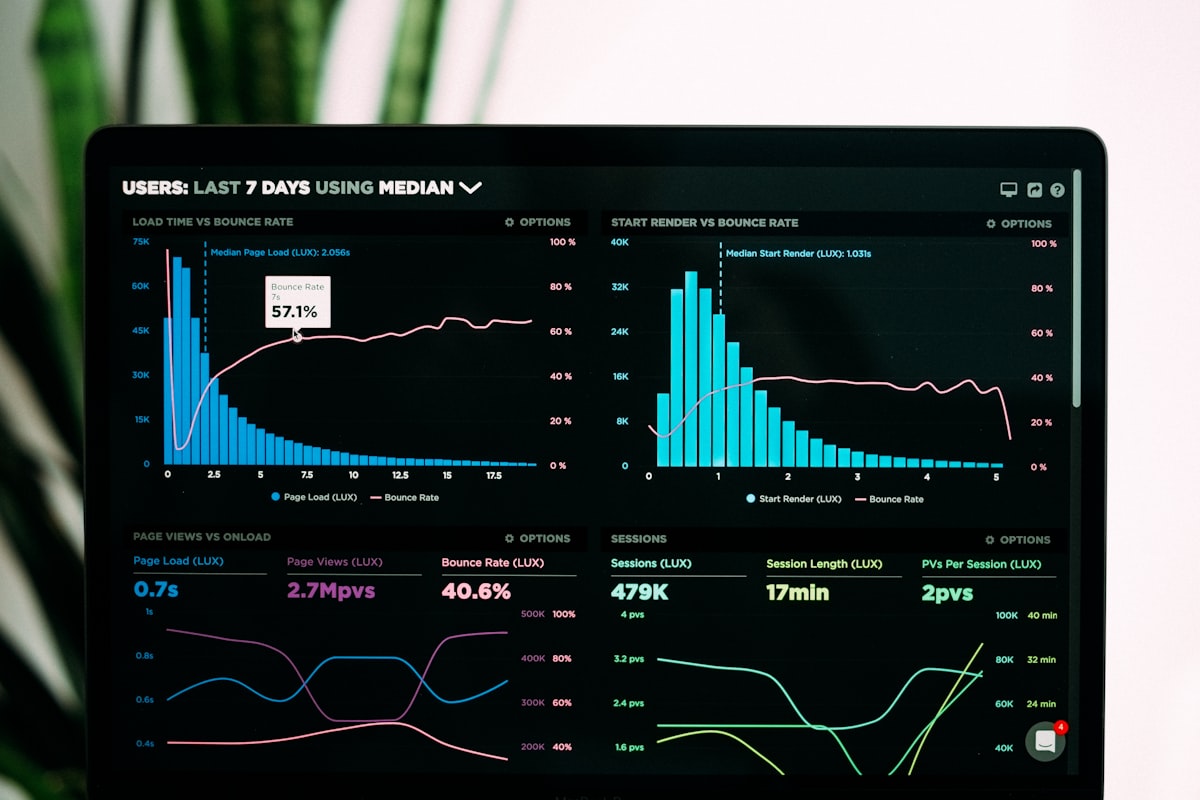
47% of people expect a webpage to load in 2 seconds or less. Google uses Core Web Vitals as a direct ranking signal. If your site is slow, you’re losing both visitors and search visibility at the same time.
Three metrics matter most. Your Largest Contentful Paint (the time it takes for the main content to appear) should be under 2.5 seconds. Your Interaction to Next Paint (how quickly the site responds when someone clicks or taps) should be under 200 milliseconds. And your Cumulative Layout Shift (how much the page jumps around while loading) should stay below 0.1.
In plain English: get good hosting (don’t go with the cheapest shared plan), use a lightweight theme (block themes are inherently faster than classic themes), compress your images, enable caching, and don’t install 30 plugins when you need 8.
SEO Basics That Actually Matter
SEO can feel overwhelming, but for a small business website, you really only need to nail a handful of things.
Give each page one clear target keyword. Your homepage might target “web design agency in Lagos.” A blog post might target “how to build a small business website.” Trying to rank one page for ten different keywords doesn’t work.
Write proper title tags. They should be under 60 characters, include your keyword, and make someone want to click. Your meta description should be under 155 characters and act like a mini ad for the page.
Use a clear heading structure. One H1 per page (your main headline), H2s for major sections, H3s for subsections. Search engines use this to understand the hierarchy of your content.
Link your pages to each other. Your blog posts should link to your service pages where relevant, and vice versa. This helps Google crawl your site and spreads authority across your pages.
Set up Google Search Console and Google Analytics from day one. Search Console shows you what keywords you’re appearing for and flags technical issues. Analytics shows you where your traffic is coming from and what people do on your site. Without these, you’re guessing.
Trust is Built in Details
An SSL certificate is non-negotiable. Chrome literally labels sites without HTTPS as “Not Secure.” Most hosting providers include SSL for free.
Customer testimonials do more heavy lifting than most business owners realize. A real quote from a real person with their name and company carries more weight than a paragraph of marketing copy. If you can get video testimonials, even better.
Case studies are the next level up. Pick your best client results, show the problem you solved, the approach you took, and the outcome. Specific numbers beat vague claims every time.
And add a privacy policy. It’s required by law in many places (GDPR, CCPA), and it signals that you’re a legitimate operation that takes things seriously.
Mistakes We See All the Time
No clear call-to-action. We audit sites where you literally cannot figure out what the business wants you to do next. Every single page should answer the question: “what should the visitor do now?”
Giant walls of text with no formatting. Nobody reads that. Break things into short paragraphs, use subheadings to let people scan, and add images to give the eyes a rest.
Generic stock photos. You know the ones. Two people in suits shaking hands in front of a glass building. They make your business look like every other business. Use real photos of your actual team and workspace whenever possible.
Plugin overload. We’ve inherited sites running 40+ plugins that take 8 seconds to load. Every plugin adds weight. If you don’t actively need it, remove it.
And the biggest one: launching the site and never touching it again. A website isn’t a billboard you put up and walk away from. It needs fresh content, security updates, and performance monitoring. The businesses that treat their website as a living asset are the ones that get results from it.
The Short Version
Building a good small business website in 2026 comes down to getting the fundamentals right. Know your audience. Pick the right platform. Design for phones first. Make it fast. Handle your SEO basics. Build trust. And keep it alive with regular updates.
That’s really it. You don’t need animations, parallax scrolling, or a chatbot in the corner. You need a clean, fast site that tells people what you do, why you’re good at it, and how to get in touch.
If you’d rather have someone handle this for you, that’s what we do at Icoweb Agency. We build websites that load fast, rank well, and actually bring in business. Reach out if you want to talk about your project.